- All
- Product Name
- Product Keyword
- Product Model
- Product Summary
- Product Description
- Multi Field Search


Views: 0 Author: Site Editor Publish Time: 2026-01-25 Origin: Site


Are you aware that three phase motors account for a significant portion of industrial energy consumption? These motors are essential for various applications due to their efficiency and reliability. In this article, we'll explore the top five applications of three phase motors, including their types and advantages. You'll learn how these motors enhance productivity across different industries.
Three phase motors are known for their unique torque and speed characteristics. Unlike single-phase motors, they provide a smoother and more consistent power output. This results in better performance for applications requiring steady torque, such as conveyor systems and industrial machinery.
Power Ratings and Efficiency Classes
Three phase motors come in various power ratings, typically measured in kilowatts (kW) or horsepower (HP). They are categorized into efficiency classes ranging from IE1 to IE4, where IE4 represents the highest efficiency. The table below illustrates these classes:
Efficiency Class | Efficiency (%) | Typical Applications |
IE1 | 80-85 | General-purpose applications |
IE2 | 85-90 | Moderate industrial use |
IE3 | 90-92 | High-performance settings |
IE4 | 92-95 | Premium efficiency demands |
These efficiency ratings are crucial for industries aiming to reduce energy consumption and operational costs, making three phase motors a smart choice.
One of the standout advantages of three phase motors is their ability to provide a continuous power supply. This ensures that machinery operates efficiently without interruptions, which is vital in high-demand environments. Additionally, they significantly reduce energy wastage compared to single-phase motors.
Durability and Maintenance
Durability is another key feature. Three phase motors are built to withstand harsh conditions, making them ideal for industrial applications. They typically have lower maintenance requirements, which translates to reduced downtime and costs. This reliability is essential for operations that rely on consistent performance.
When it comes to installation, three phase motors often feature compact designs, making them suitable for environments with limited space. This is particularly important in modern manufacturing facilities where every inch counts.
Mounting Options
Three phase motors offer various mounting options to accommodate different installation needs. Here are some common types:
● B3: Base-mounted with horizontal shaft alignment.
● B5: Flanged mounting, ideal for connecting directly to pumps.
● B14: Inner flange mounting for compact installations.
These mounting configurations allow for flexibility in design and make it easier to integrate three phase motors into existing systems. By selecting the appropriate mounting option, businesses can optimize their layouts and improve overall efficiency.
Three phase motors play a crucial role in manufacturing automation. They power essential systems like conveyors, robotics, and assembly lines. For instance, in conveyor systems, these motors ensure smooth and continuous movement of materials, which is vital for maintaining workflow efficiency. In robotics, three phase motors provide the necessary torque and precision for tasks such as welding, painting, and assembly.
Key Functions in Automation:
● Conveyor Systems: They transport goods efficiently across production lines.
● Robotics: Motors enable precise movements for various applications.
● Assembly Lines: They help maintain consistent production rates and quality.
The advantages of using three phase motors in manufacturing automation are significant. One major benefit is increased productivity. These motors operate continuously and reliably, which minimizes downtime and maximizes output.
Consistent Torque and Speed Control
Another advantage is their ability to maintain consistent torque and speed. This is critical in processes that require precise timing and synchronization. For example, when assembling electronic components, any variation in speed can lead to defects. Three phase motors ensure that all parts move in harmony, enhancing overall product quality.
Control systems are integral to optimizing the performance of three phase motors in manufacturing settings. The integration of Variable Frequency Drives (VFDs) allows for precise control over motor speed and torque. This flexibility enables manufacturers to adjust operational parameters based on specific production needs.
Monitoring and Feedback Systems
Additionally, monitoring and feedback systems enhance motor performance. These systems provide real-time data on motor operations, such as speed, load, and temperature. By analyzing this information, manufacturers can make informed decisions to improve efficiency and prevent potential failures.
Feature | Benefit |
Variable Frequency Drives (VFDs) | Precise speed control and energy savings |
Real-time Monitoring | Enhanced reliability and performance |
Feedback Systems | Proactive maintenance and adjustments |
By utilizing these advanced control systems, manufacturers can achieve a more efficient and responsive production environment, ultimately leading to greater competitiveness in the market.
Three phase motors are essential for powering various types of pumping systems. They drive pumps such as centrifugal and submersible models, which are widely used in many industries. Centrifugal pumps, for example, rely on the rotational energy from three phase motors to move fluids efficiently. Submersible pumps, often used in wells or underwater applications, benefit from the robust power provided by these motors.
Importance in Water Treatment and Chemical Processing
In water treatment facilities, three phase motors help maintain the flow of water through filtration and purification processes. Similarly, in chemical processing, these motors ensure the safe and efficient transfer of chemicals, minimizing the risk of spills or contamination. Their reliability makes them a preferred choice in critical applications where uptime is crucial.
One of the key advantages of three phase motors in pumping systems is their ability to handle variable loads. This flexibility allows them to maintain steady flow rates, which is essential for processes requiring consistent output. For instance, during peak demand times, these motors can adjust to fluctuations without compromising performance.
Enhanced Reliability and Operational Uptime
Three phase motors also enhance reliability and operational uptime. They are designed to operate continuously under demanding conditions, which reduces the likelihood of failures. This reliability is particularly important in applications like municipal water supply, where any downtime can lead to significant disruptions.
When selecting three phase motors for pumping applications, several factors come into play. Environmental considerations, such as temperature and moisture levels, are critical. Motors must be rated for the specific conditions they will face to ensure longevity and performance.
Efficiency Ratings and Lifespan Expectations
Efficiency ratings also play a significant role in the selection process. Higher efficiency motors reduce energy consumption, leading to cost savings over time. The table below summarizes key factors to consider:
Factor | Importance |
Environmental Conditions | Determines motor durability and suitability |
Efficiency Ratings | Affects energy consumption and operating costs |
Expected Lifespan | Influences maintenance schedules and replacement plans |
By carefully considering these factors, businesses can choose the right three phase motors for their pumping systems, ensuring optimal performance and reliability.
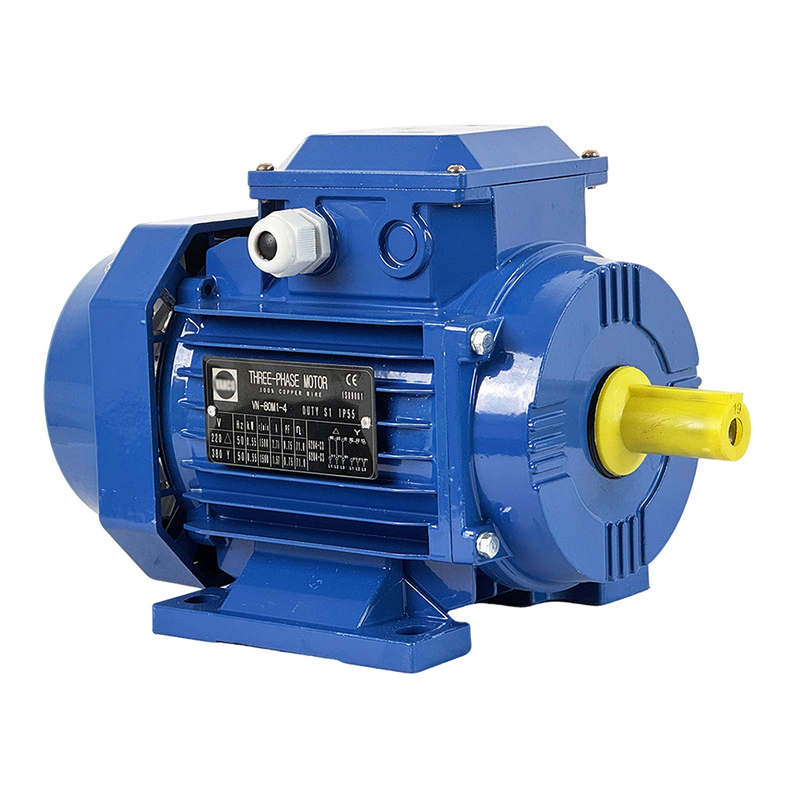
Three phase motors are vital components in HVAC (Heating, Ventilation, and Air Conditioning) systems. They power essential equipment such as compressors, fans, and blowers, ensuring effective climate control in buildings. For instance, compressors rely on these motors to circulate refrigerants, maintaining optimal temperatures. Similarly, fans and blowers distribute conditioned air throughout spaces, enhancing comfort and air quality.
Key Components Powered by Three Phase Motors:
● Compressors: Essential for refrigeration cycles, compressing refrigerant gases.
● Fans: Move air across coils and through ducts to maintain airflow.
● Blowers: Increase air pressure for heating and cooling applications.
One of the significant advantages of three phase motors in HVAC systems is their contribution to energy efficiency. These motors provide precise control over airflow and temperature, allowing systems to operate more effectively. By adjusting the motor speed based on demand, they minimize energy consumption.
Reduced Energy Consumption and Operational Costs
This precise control leads to lower operational costs. For example, a variable speed motor can adjust its output based on real-time conditions, reducing unnecessary energy use. The following table illustrates potential energy savings:
Motor Type | Energy Savings (%) | Application |
Fixed Speed | 0% | Constant load applications |
Variable Speed (VFD) | 20-50% | Variable load applications |
By implementing three phase motors, HVAC systems can achieve substantial energy savings while maintaining comfort levels.
Regular maintenance of three phase motors is crucial for ensuring their longevity and performance in HVAC systems. Routine checks and lubrication help prevent wear and tear, which can lead to failures.
Importance of Regular Checks and Lubrication
Maintenance tasks should include inspecting electrical connections, checking for unusual vibrations, and ensuring proper lubrication of moving parts. These practices not only extend the lifespan of the motors but also enhance overall system efficiency.
Impact of Environmental Factors on Motor Longevity
Environmental factors such as temperature, humidity, and dust can significantly impact motor performance. For instance, high humidity can lead to corrosion, while excessive dust can cause overheating. Therefore, it’s essential to choose motors rated for specific environmental conditions to ensure optimal performance.
Maintenance Task | Frequency | Purpose |
Visual Inspection | Monthly | Identify potential issues |
Lubrication | Quarterly | Reduce friction and wear |
Electrical Checks | Annually | Ensure safe and efficient operation |
By addressing these maintenance considerations, facilities can maximize the efficiency and reliability of their HVAC systems, ultimately leading to better climate control and lower energy costs.
Three phase motors are integral to mining operations, powering essential equipment like crushers, conveyors, and drilling machinery. These motors provide the necessary force to handle heavy loads and facilitate the movement of materials throughout the mining process. For example, in crushing operations, three phase motors drive the crushers that break down large rocks into manageable sizes. Similarly, conveyors powered by these motors transport ore efficiently from one location to another, ensuring a smooth workflow.
Key Equipment Powered by Three Phase Motors:
● Crushers: Break down large rocks for processing.
● Conveyors: Transport materials across various stages of mining.
● Drilling Equipment: Facilitate the extraction of minerals.
Mining environments present unique challenges, and three phase motors are designed to meet these demands. One significant challenge is durability in harsh conditions. Mining sites often expose equipment to dust, moisture, and extreme temperatures, which can lead to premature wear. Three phase motors are constructed with robust materials to withstand these conditions, ensuring longevity and reliability.
High Starting Torque Requirements
Another challenge is the high starting torque required for heavy machinery. When starting up, large equipment like crushers and drills demands a significant amount of torque. Three phase motors excel in this area, providing the necessary power to start and operate heavy loads without stalling. This capability is essential for maintaining productivity in mining operations.
Safety is a top priority in mining, and three phase motors contribute significantly to this aspect. One way they enhance safety is by reducing the risk of overheating and mechanical failure. These motors are designed to operate efficiently under heavy loads, minimizing the chances of overheating, which can lead to dangerous situations.
Compatibility with Explosion-Proof Enclosures
Additionally, three phase motors can be compatible with explosion-proof enclosures. This feature is crucial in mining environments where flammable gases or dust may be present. By using motors that meet explosion-proof standards, mining operations can mitigate the risk of fires or explosions, creating a safer working environment for all personnel.
Safety Feature | Benefit |
Overheating Protection | Reduces risk of fire and equipment failure |
Explosion-Proof Enclosures | Enhances safety in hazardous environments |
Durable Construction | Ensures reliability in harsh conditions |
By addressing these safety concerns, three phase motors play a vital role in supporting safe and efficient mining operations, allowing for increased productivity while protecting workers and equipment alike.
Three phase motors are widely used in various types of agricultural equipment. They power essential tools such as irrigation pumps, grain dryers, and feed mixers. For instance, irrigation pumps rely on these motors to efficiently move water from sources to fields, ensuring crops receive adequate hydration. Grain dryers benefit from the consistent performance of three phase motors, which help maintain optimal drying conditions for harvested crops. Additionally, feed mixers utilize these motors to blend feed ingredients uniformly, supporting livestock health and productivity.
Key Agricultural Equipment Powered by Three Phase Motors:
● Irrigation Pumps: Ensure effective water distribution.
● Grain Dryers: Maintain proper moisture levels in grains.
● Feed Mixers: Provide consistent feed mixtures for animals.
The benefits of three phase motors in agricultural applications are significant, particularly in supporting sustainable farming practices. These motors enhance efficiency in resource management, which is crucial for maximizing crop yields. By providing reliable power, they enable equipment to operate at optimal levels, reducing waste and improving productivity.
Efficiency in Resource Management and Crop Yields
For example, efficient irrigation systems powered by three phase motors can minimize water usage while maximizing crop health. This not only conserves water resources but also contributes to better crop yields. The following table highlights how three phase motors impact agricultural efficiency:
Application | Benefit | Impact on Farming Practices |
Irrigation Pumps | Optimized water usage | Supports sustainable water management |
Grain Dryers | Consistent drying conditions | Reduces spoilage and waste |
Feed Mixers | Uniform feed distribution | Enhances livestock health |
Looking ahead, several trends are emerging in the agricultural applications of three phase motors. Innovations in energy efficiency are at the forefront, as farmers seek to reduce operational costs while maintaining productivity. This includes the development of motors that consume less energy without sacrificing performance.
Integration with Smart Technologies and IoT
Moreover, the integration of smart technologies and the Internet of Things (IoT) is transforming how agricultural equipment operates. For instance, farmers can now monitor and control irrigation systems remotely, adjusting water flow based on real-time data. This connectivity not only enhances efficiency but also provides valuable insights into resource management.
Future Trend | Description | Potential Benefits |
Energy Efficiency | Development of low-energy consuming motors | Reduced operational costs |
Smart Technology | IoT integration for monitoring and control | Improved resource management |
By embracing these trends, the agricultural sector can leverage three phase motors to drive innovation, sustainability, and higher productivity in farming operations.
Understanding three phase motor applications is crucial for various industries. Selecting the right motor for specific tasks leads to long-term cost savings and efficiency improvements. By choosing suitable motors, businesses can enhance productivity and reduce operational costs. We encourage readers to consult experts when selecting the appropriate three phase motor for their needs. For further assistance, consider reaching out to Julante. Their products offer unique advantages, ensuring reliability and performance in demanding applications.
A: Three phase motors are electric motors powered by three alternating currents. They provide high efficiency and consistent torque, making them ideal for industrial applications.
A: Consider factors like load requirements, environment, and efficiency ratings. Matching these criteria ensures optimal performance from your three phase motors.
A: They offer better efficiency, higher starting torque, and smoother operation compared to single phase motors, making them suitable for heavy-duty applications.
A: The cost varies based on power rating and features. Generally, three phase motors can range from a few hundred to several thousand dollars.
A: Check for electrical connections, overheating, and unusual noises. Regular maintenance helps prevent common issues with three phase motors.


