- All
- Product Name
- Product Keyword
- Product Model
- Product Summary
- Product Description
- Multi Field Search


Views: 0 Author: Site Editor Publish Time: 2026-02-02 Origin: Site


Are you aware of the critical role three phase motors play in industrial operations? These motors power everything from pumps to conveyor systems. However, neglecting their maintenance can lead to costly breakdowns. In this article, we'll explore essential maintenance tips for three phase motors. You'll learn how to keep your motors running smoothly and efficiently, ensuring longevity and optimal performance.
Three phase motors operate using a three phase power system, which consists of three alternating currents. Each current reaches its peak at different times, ensuring a constant and smooth power supply. This system allows for more efficient energy use compared to single phase systems, making it ideal for heavy-duty applications.
The key components of a three phase motor include:
● Stator: The stationary part that creates a rotating magnetic field.
● Rotor: The rotating part that receives the magnetic field's energy.
● Windings: Coils of wire that generate the magnetic field when electricity flows through them.
This combination of components enables three phase motors to deliver high torque and efficiency, making them a popular choice in various industrial settings.
There are two main types of three phase motors: induction motors and synchronous motors. Each type has unique characteristics and applications.
Induction motors are the most commonly used type of three phase motor. They operate by inducing current in the rotor through electromagnetic induction. These motors are known for their robustness and simplicity, which makes them suitable for a wide range of applications, such as:
● Pumps: Ideal for moving liquids in various industries.
● Fans: Commonly used in HVAC systems for air circulation.
● Conveyor Systems: Efficiently transport materials in manufacturing.
Induction Motors | Applications |
High reliability | Pumps, fans, conveyors |
Simple construction | Suitable for various industrial uses |
Cost-effective | Widely used in factories and plants |
Synchronous motors operate at a constant speed, synchronized with the frequency of the supply current. They require an external power source to maintain the magnetic field in the rotor, which can lead to higher efficiency in specific applications. Common uses include:
● Heavy Machinery: Such as crushers and mills.
● Power Generation: Used in generators for electricity production.
● High-Precision Applications: Where speed control is crucial.
Synchronous Motors | Applications |
Constant speed | Heavy machinery, power generation |
High efficiency | High-precision applications |
More complex design | Requires external power source |
Understanding the differences between these two types of three phase motors helps in selecting the right motor for your specific needs. Each offers distinct advantages that cater to various industrial applications, ensuring optimal performance and longevity.
Regular maintenance is essential for three phase motors because it directly impacts their performance and efficiency. When motors are well-maintained, they operate smoothly, leading to optimal energy consumption. Conversely, neglecting maintenance can result in decreased efficiency, which means higher energy costs and increased wear on components. For instance, a motor that runs efficiently can save up to 10% on energy bills compared to a poorly maintained one.
Here’s how maintenance affects motor performance:
● Improved Efficiency: Regular checks and lubrication reduce friction, allowing the motor to run more efficiently.
● Extended Lifespan: Well-maintained motors can last significantly longer, often exceeding their expected lifespan by several years.
● Consistent Performance: Routine maintenance helps maintain the motor's performance under varying load conditions.
The financial impact of motor failure can be substantial. When a three phase motor fails, it can lead to expensive repairs and extended downtime. Consider the following costs associated with motor failure:
Cost Factors | Implications |
Repair Costs | Immediate expenses for parts and labor. |
Downtime | Lost production time can lead to revenue loss. |
Replacement Costs | Purchasing a new motor is often more expensive than maintenance. |
Increased Energy Bills | Inefficient motors consume more power. |
In some cases, the total cost of a motor failure can exceed thousands of dollars, making regular maintenance a cost-effective strategy to avoid such expenses.
Neglecting maintenance can lead to various issues that compromise the functionality of three phase motors. Here are some common problems:
1. Overheating: One of the most frequent issues, overheating can occur due to insufficient lubrication or blocked ventilation. This can cause severe damage to the motor's windings and bearings.
2. Wear and Tear: Over time, components like bearings and windings can wear out. Without regular inspections, these issues can escalate, leading to catastrophic failures.
3. Electrical Issues: Poor connections and frayed wires can create electrical faults, causing the motor to malfunction. Regular checks can help identify these problems early, preventing costly repairs.
Common Issues | Symptoms | Consequences |
Overheating | High temperature readings, unusual noises | Reduced efficiency, potential failure |
Wear and Tear | Grinding noises, vibrations | Increased repair costs, downtime |
Electrical Issues | Flickering lights, tripped breakers | Motor failure, safety hazards |
By recognizing these common problems and understanding their implications, we can see why regular maintenance is not just a good practice; it’s essential for the longevity and reliability of three phase motors. It’s clear that investing time and resources into maintenance pays off in the long run.
Cleanliness is crucial in maintaining three phase motors. Dirt and debris can accumulate, leading to overheating and inefficiency. Regular cleaning helps ensure that the motor operates at peak performance.
To effectively clean three phase motors, consider using the following tools and techniques:
● Compressed Air: This is perfect for blowing out dust and debris from hard-to-reach areas.
● Vacuum: A vacuum cleaner with a brush attachment can remove larger particles without damaging components.
Frequency of Cleaning: It’s recommended to clean motors at least once a month, or more frequently in dusty environments. Additionally, always keep ventilation openings clear to promote proper airflow. Blocked vents can cause overheating and negatively impact motor performance.
Lubrication plays a vital role in the longevity of three phase motors. Proper lubrication reduces friction, which minimizes wear and tear on components.
When selecting lubricants, consider the following options:
● Grease: Ideal for high-load applications, providing a long-lasting protective layer.
● Oil: Suitable for motors requiring frequent lubrication, as it circulates easily.
Recommended Lubrication Schedule: A good rule of thumb is to lubricate bearings every three months. Watch for signs indicating that bearings need lubrication, such as grinding noises or abnormal sounds.
When applying lubricant, ensure you use the correct amount. Over-lubrication can cause excessive heat and damage. It’s essential to follow manufacturer guidelines for the specific motor being serviced.
Temperature control is critical for three phase motors. Elevated temperatures can indicate potential problems, including insufficient lubrication or electrical issues.
To monitor motor temperature effectively, consider using:
● Infrared Thermography: This non-contact method allows you to identify hot spots quickly.
● Temperature Sensors: These provide real-time data and can alert you to rising temperatures.
Ensuring proper airflow around the motor is also vital. Here are some tips to maintain ventilation:
● Regularly inspect and clear any obstructions around the motor.
● Ensure fans or cooling systems are operational.
Poor ventilation can lead to overheating, which may cause severe damage to the motor's components.
Checking electrical connections is an essential maintenance task. Loose or corroded connections can lead to inefficient operation or even motor failure.
When inspecting connections, look for:
● Signs of Corrosion: Discoloration or rust indicates a need for cleaning or replacement.
● Fraying Wires: Damaged wiring can cause shorts or overheating.
It’s also crucial to check the insulation of wires. Proper insulation prevents electrical issues and enhances safety.
Scheduling regular professional inspections can significantly benefit three phase motors. Professionals can identify potential issues before they become serious problems.
During a professional maintenance service, expect key tasks such as:
● Winding Tests: Assess the condition of the motor windings.
● Insulation Resistance Tests: Measure insulation integrity to prevent electrical failures.
When choosing a maintenance service provider, look for experience, certifications, and positive reviews. A reliable provider will help ensure your three phase motors operate efficiently and last longer.
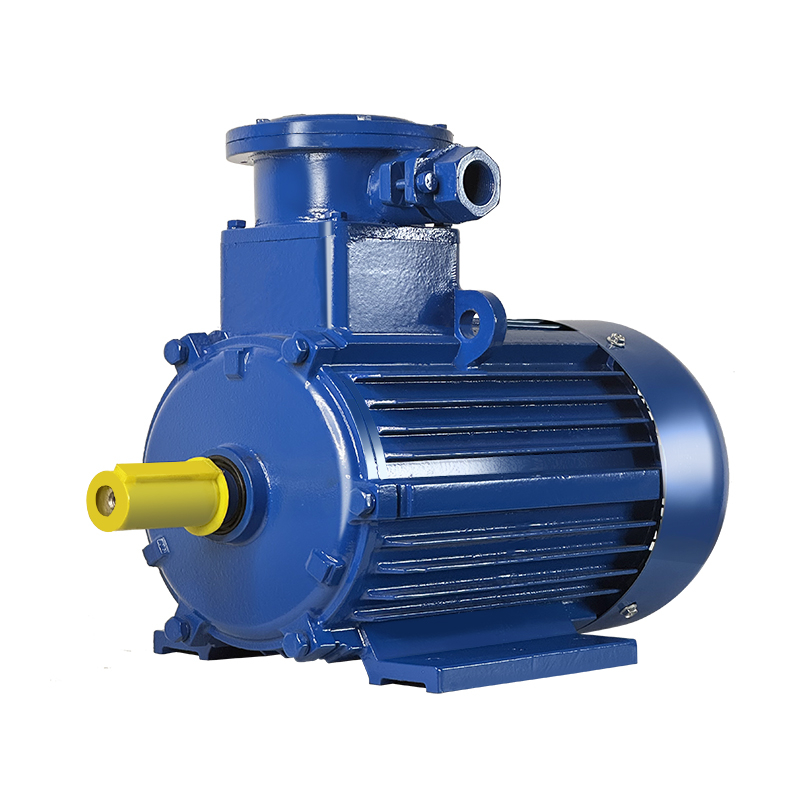
A preventive maintenance schedule is a proactive approach designed to keep three phase motors running smoothly and efficiently. This schedule outlines regular tasks to be performed at specific intervals, helping to prevent unexpected failures and extend the lifespan of the motors. By adhering to this schedule, you can identify potential issues before they escalate into costly repairs.
An effective maintenance schedule consists of daily, weekly, monthly, and annual tasks. Each category addresses different aspects of motor care, ensuring comprehensive coverage.
● Visual Inspections: Check for any unusual signs such as leaks, noises, or vibrations.
● Temperature Monitoring: Use temperature sensors to ensure the motor operates within safe limits.
● Cleaning: Remove dust and debris from the motor and surrounding area to maintain airflow.
● Lubrication Checks: Assess lubrication levels and apply grease or oil as needed.
● Electrical Connection Inspection: Tighten loose connections and check for signs of corrosion.
● Vibration Analysis: Use vibration analysis tools to detect any irregularities that could indicate wear.
● Professional Inspection: Schedule a thorough inspection by a qualified technician to perform winding tests and insulation resistance tests.
● Comprehensive Review: Evaluate the entire maintenance schedule and adjust tasks based on performance data and any changes in operation.
Creating a customized maintenance checklist is essential for ensuring all tasks are completed consistently. Here’s how to develop an effective checklist:
1. Identify Key Tasks: List all maintenance tasks based on the frequency categories outlined above. Consider specific needs based on the motor's application and environment.
2. Use a Template: Start with a template that includes sections for each task, frequency, and space for notes. This helps track completed tasks and any observations.
3. Incorporate Team Input: Involve your maintenance team in the checklist creation process. Their insights can help identify additional tasks or adjustments needed.
4. Review and Update Regularly: Periodically assess the checklist to ensure it remains relevant. Update it based on new findings, equipment changes, or operational adjustments.
By implementing a preventive maintenance schedule and customizing a checklist, you ensure that your three phase motors remain in optimal condition, ultimately enhancing their performance and longevity. This proactive strategy not only saves time and money but also contributes to a safer working environment.
Monitoring the performance of three phase motors is essential for ensuring their reliability and longevity. Regular performance assessments help identify potential issues before they escalate into costly breakdowns. By keeping an eye on motor performance, you can optimize efficiency, reduce energy consumption, and enhance overall operational safety.
Effective monitoring allows for proactive maintenance, which is much more cost-effective than reactive repairs. When we track performance indicators, we can make informed decisions about when to schedule maintenance, ensuring that the motor operates at peak efficiency.
To effectively monitor three phase motors, several key performance indicators (KPIs) should be tracked regularly. Here are three critical indicators:
1. Temperature: Monitoring the motor's temperature is vital. Elevated temperatures can indicate overheating due to insufficient lubrication, overloading, or electrical issues. Using temperature sensors can help you maintain optimal operating conditions.
2. Vibration: Excessive vibration can signal misalignment, imbalance, or wear in the motor's components. By using vibration analysis tools, you can detect these issues early, preventing further damage.
3. Noise Levels: Unusual noises can be a warning sign of underlying problems. Regularly checking noise levels helps identify issues such as bearing wear or loose components.
Performance Indicator | What to Monitor | Potential Issues |
Temperature | Operating temperature | Overheating, insulation failure |
Vibration | Vibration patterns and amplitude | Misalignment, imbalance, bearing wear |
Noise Levels | Unusual sounds | Loose components, mechanical failure |
Utilizing the right tools and technologies is crucial for effective motor performance monitoring. Here are some popular options:
● Infrared Thermometers: These non-contact devices allow for quick temperature assessments, helping to identify overheating issues without disrupting operations.
● Vibration Analysis Equipment: Specialized tools measure vibration patterns and help diagnose potential mechanical issues. This technology provides valuable insights into the motor's health.
● Condition-Based Monitoring Systems: These advanced systems continuously track various performance indicators, providing real-time data. The benefits of implementing such systems include:
○ Early Detection of Issues: By monitoring performance in real-time, you can identify problems before they lead to failures.
○ Data-Driven Decisions: These systems provide valuable insights, allowing for informed maintenance scheduling and resource allocation.
○ Cost Savings: Condition-based monitoring can reduce maintenance costs by preventing unnecessary inspections and repairs.
By integrating these tools into your maintenance routine, you can enhance the reliability and efficiency of your three phase motors. Regular monitoring not only helps in identifying issues early but also contributes to a safer and more productive working environment.
Maintaining three phase motors is crucial for efficiency and longevity. Regular upkeep prevents costly breakdowns and enhances performance. Implementing the tips discussed can significantly improve motor reliability. Investing in routine maintenance yields long-term benefits for your operations.
Start your motor maintenance routine today to ensure optimal performance. For additional resources, consider downloading a maintenance checklist or guide. If you need professional assistance, Julante offers expert services and products designed to enhance motor longevity and efficiency. Their solutions provide exceptional value, ensuring your equipment runs smoothly for years to come.
A: Regular maintenance of three phase motors is essential for optimizing performance and extending their lifespan.
A: It’s recommended to clean three phase motors at least once a month to prevent dust buildup and overheating.
A: Key performance indicators include temperature, vibration, and noise levels, all crucial for assessing motor health.
A: Proper lubrication reduces friction, preventing wear and tear, which enhances the longevity of three phase motors.
A: Identify key tasks, set frequencies, and involve your maintenance team to develop a comprehensive checklist.
A: Tools like infrared thermometers and vibration analysis equipment are effective for monitoring motor performance.


