- All
- Product Name
- Product Keyword
- Product Model
- Product Summary
- Product Description
- Multi Field Search


Views: 0 Author: Site Editor Publish Time: 2026-01-22 Origin: Site


Are you aware that three phase motors power nearly half of the world's industrial machines? Choosing the right motor is crucial for maximizing efficiency and performance. In this article, we'll explore how to select the perfect three phase motor for your needs. You'll learn about key factors, types, and practical steps for making the best choice.
A three phase motor is an electric machine that converts electrical energy into mechanical energy. It operates using three alternating currents, which are set out of phase with each other. This design allows for smoother and more efficient power delivery compared to single-phase motors.
Comparison with Single-Phase Motors:
● Power Output: Three phase motors provide higher power output for the same size.
● Efficiency: They run more efficiently, especially under heavy loads.
● Starting Torque: Three phase motors typically have better starting torque, making them ideal for various applications.
Three phase motors come in several types, each suited for different applications. Below are the most common types:
Type | Description | Advantages | Disadvantages |
Squirrel Cage Motors | The most widely used type, known for its simplicity and durability. | Low maintenance, cost-effective. | Limited starting torque. |
Wound Rotor Motors | Offers better starting torque and speed control through external resistors. | High starting torque, adjustable speed. | More complex and costly. |
Synchronous Motors | Operates at a constant speed, synchronized with the supply frequency. | High efficiency, precise speed control. | Requires additional components for starting. |
Each type has its own strengths and weaknesses, making them suitable for specific applications.
Three phase motors are essential in various industries, powering a wide range of equipment. Here are some common applications:
● Manufacturing: Used in conveyor systems, robotic arms, and assembly lines.
● HVAC Systems: Drives fans, pumps, and compressors for heating and cooling.
● Pumps: Ideal for water treatment, irrigation, and chemical processing.
Examples of Specific Use Cases:
1. Conveyor Systems: Squirrel cage motors are often used to move materials in factories.
2. Cooling Towers: Synchronous motors help maintain precise airflow in HVAC systems.
3. Industrial Mixers: Wound rotor motors provide the necessary torque for mixing heavy materials.
These motors are vital in ensuring efficiency and reliability across various applications, showcasing their versatility and importance in modern industry.
When selecting a three phase motor, understanding the intended use is crucial. The application dictates many of the motor's specifications. For instance, consider the load characteristics: is it constant or variable? Constant loads, like conveyor belts, require different torque and speed than variable loads, such as pumps that adapt to changing fluid levels.
Torque and Speed Requirements:
● Torque: Determine the torque needed to start and maintain the load. For heavy machinery, high torque is essential.
● Speed: Identify the required RPM (revolutions per minute). Different applications demand specific speeds for optimal performance.
The environment where the motor operates significantly impacts its performance and longevity. Key factors include temperature, humidity, and exposure to dust or chemicals.
Operating Conditions:
● Temperature: Motors must withstand extreme temperatures. High temperatures may require special insulation.
● Humidity and Dust: Protection ratings (IP ratings) indicate how well a motor resists moisture and dust. For example, an IP65 rating means the motor is dust-tight and protected against water jets.
IP Rating | Dust Protection | Water Protection |
IP54 | Limited | Protected against splashes |
IP65 | Dust-tight | Protected against water jets |
IP67 | Dust-tight | Protected against immersion |
In food processing, food safety is critical. Motors must be made from materials that comply with food safety standards to avoid contamination.
Energy efficiency is another vital factor when choosing a motor. Efficiency ratings range from IE1 to IE4, with IE4 being the most efficient. Higher efficiency means less energy consumption, which translates to lower operational costs.
Importance of High-Efficiency Motors:
● Cost Savings: While high-efficiency motors may have a higher upfront cost, they save money over time through reduced energy bills.
● Return on Investment (ROI): Investing in an efficient motor can yield significant savings in the long run. For example, a motor with IE4 efficiency can pay for itself within a few years through energy savings.
Compatibility with Variable Frequency Drives (VFDs) is essential for many applications. VFDs allow for precise control of motor speed and torque, improving overall system performance.
Need for Speed Control and Automation:
● Automation: Many modern applications require automation for efficiency. VFDs provide the flexibility needed for these systems.
● Integration: Ensure the motor can integrate seamlessly with existing systems. Custom solutions may be necessary to meet specific operational requirements.
By carefully considering these factors, you can select the right three phase motor that meets your needs and enhances operational efficiency. Understanding application requirements, environmental conditions, efficiency ratings, and control needs will guide you toward making an informed decision.
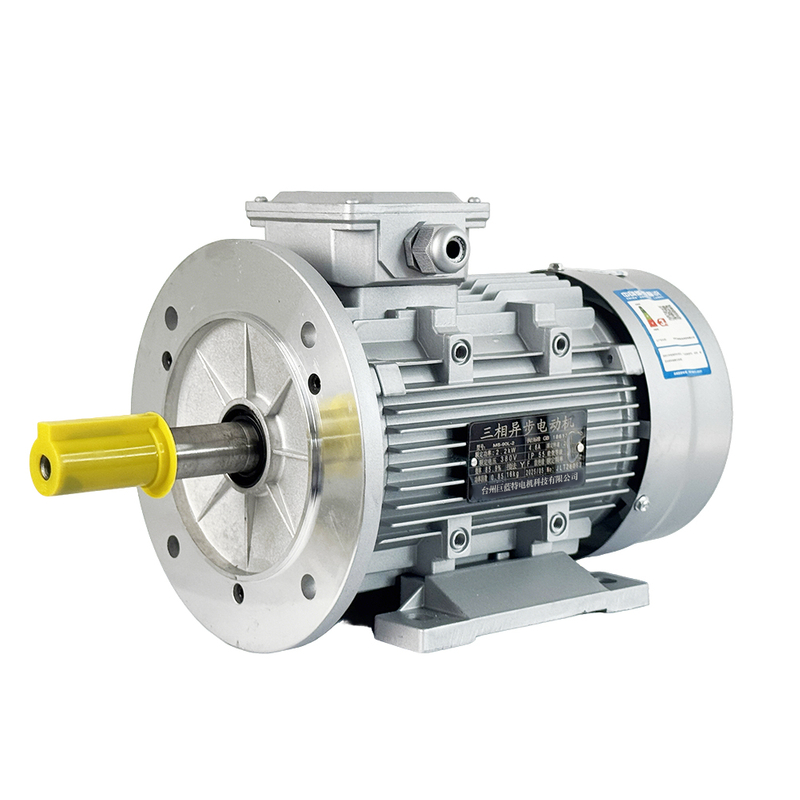
Calculating the required torque and revolutions per minute (RPM) is the first step in selecting a three phase motor. Understanding the load to be moved is crucial. For instance, heavy machinery often requires high torque to start and maintain motion.
Considerations:
● Constant Speed vs. Variable Speed: Define whether the application needs a constant speed motor or one that can adjust its speed based on demand. For example, conveyors typically operate at a constant speed, while pumps may need variable speed control to adapt to changing fluid levels.
The production environment plays a significant role in motor selection. Factors such as temperature, humidity, and exposure to contaminants can influence the motor's performance and lifespan.
Examples of Environments:
● Clean Rooms: Motors used in clean rooms must have high protection ratings to prevent contamination.
● Industrial Settings: These environments may require motors that can withstand dust, moisture, and extreme temperatures.
Impact of Electromagnetic Interference (EMI): In settings with heavy machinery, EMI can affect motor performance. Choosing motors with shielding can mitigate these issues.
Installation dimensions and space limitations are critical when selecting a motor. Knowing the available space helps in choosing the right motor size and mounting style.
Different Mounting Options:
Mounting Type | Description |
B3 | Foot-mounted, common for general use. |
B5 | Flange-mounted, ideal for compact spaces. |
B14 | Face-mounted, suitable for specific applications. |
Special Considerations: In compact or constrained spaces, like Automated Guided Vehicle (AGV) systems, selecting a smaller motor with the appropriate torque and speed characteristics is essential.
Understanding the frequency of movement helps determine the right motor for durability. Continuous use motors need to withstand prolonged operation, while intermittent use motors can handle cycles of activity.
Ideal Motors:
● Continuous Use: Squirrel cage motors are often preferred for applications requiring nonstop operation.
● Intermittent Use: Wound rotor motors can be suitable for tasks that don’t require constant running.
Wear and Tear: Brush motors tend to wear out faster than brushless motors. Knowing the operational demands helps in selecting the most durable option.
Motor efficiency is vital for long-term savings. Efficiency classes range from IE1 to IE4, with IE4 being the most efficient.
Long-Term Savings: While high-efficiency motors may have a higher initial cost, they result in lower energy bills over time.
Regulatory Requirements: Be aware of upcoming regulations, such as the requirement for IE4 motors by 2025. Compliance with these standards can also lead to incentives or rebates.
Integrating motor controls with existing systems is crucial for optimal performance. Variable Frequency Drives (VFDs) allow for precise control over speed and torque.
Trends in Smart Technologies: The rise of smart motor technologies and IoT integration enables real-time monitoring and automation, enhancing operational efficiency.
Customization Options: Depending on specific operational needs, customization may be necessary. Discussing options with manufacturers can lead to tailored solutions that fit unique requirements.
By following these steps, you can effectively select the right three phase motor that meets your operational needs and enhances efficiency.
Regular maintenance is essential for ensuring the longevity and reliability of three phase motors. Implementing common practices such as lubrication, alignment, and cleaning can significantly enhance motor performance.
Common Maintenance Practices:
● Lubrication: Keeping bearings and moving parts lubricated reduces friction and wear. Use the right type of lubricant based on the motor's specifications.
● Alignment: Proper alignment of the motor and load is crucial. Misalignment can lead to increased wear and energy loss.
● Cleaning: Dust and debris can accumulate, affecting airflow and cooling. Regular cleaning helps maintain optimal operating conditions.
Preventive Maintenance Schedules: Establishing a preventive maintenance schedule is vital. Regular inspections can catch issues early, preventing costly repairs or downtime. Consider checking your motors at least quarterly, depending on usage.
Signs of Wear: Knowing when to replace a motor is critical. Look for signs like excessive noise, vibration, or overheating. If you notice these symptoms, it may be time to consider a replacement.
Several factors can impact the lifespan of three phase motors. Understanding these can help you make informed decisions about maintenance and operation.
Environmental Impacts: The environment plays a significant role in motor longevity. Motors exposed to extreme temperatures, humidity, or corrosive substances may wear out faster.
Importance of Operating Within Specified Limits: Always operate motors within their specified limits. Overloading can lead to overheating and premature failure.
Considerations for High-Torque and Low-Speed Applications: Motors used in high-torque or low-speed applications face unique challenges. They may experience more wear due to the stress placed on components. Choosing the right motor for these applications can help mitigate potential issues.
Factor | Impact on Longevity |
Operating Temperature | High temperatures can lead to insulation failure. |
Humidity Levels | Excess moisture can cause corrosion and short circuits. |
Load Characteristics | Consistent overloading can lead to premature wear. |
By focusing on regular maintenance and understanding the factors affecting motor longevity, you can ensure that your three phase motors operate efficiently and reliably for years to come.
Choosing the right three phase motor is crucial for efficiency and performance. Key factors include understanding torque and RPM, analyzing the production environment, and evaluating maintenance needs. Regular maintenance ensures longevity, while environmental considerations impact motor lifespan.
Selecting an efficient motor can lead to significant cost savings. For tailored solutions, consider consulting experts. At Julante, we offer high-quality three phase motors designed to meet diverse needs. Our products provide unique advantages, ensuring reliability and performance in various applications.
A: Three phase motors are electric motors that operate using three alternating currents, providing smoother and more efficient power delivery.
A: Consider factors like torque, RPM, environmental conditions, and maintenance needs to select the appropriate three phase motor for your application.
A: Three phase motors deliver consistent power and higher torque, making them ideal for heavy-duty applications and reducing energy costs.
A: Regular maintenance includes lubrication, alignment, and cleaning to ensure optimal performance and longevity of three phase motors.
A: Environmental conditions, such as temperature and humidity, can significantly impact the lifespan and performance of three phase motors.


